01
Keşif ve Strateji
Hedef pazar, dil, hizmet kapsamı ve büyüme hedeflerini birlikte netleştiriyoruz.
- Hedef kitle analizi
- Hizmet kapsamı
- İçerik dili planı
~10 dakika
Tasarım, Yazılım ve Dijital Büyüme
Büyümenin doğru yazılımla başladığına inanıyoruz. Yapay zekâ destekli, ölçeklenebilir web yazılımları geliştiriyoruz.

Dijital projeyi 3 net adımda sadeleştiriyoruz. Stratejiden tasarım ve yazılıma, her aşamayı ölçülebilir bir kapsamla yönetiyoruz.
Hedef pazar, dil, hizmet kapsamı ve büyüme hedeflerini birlikte netleştiriyoruz.
~10 dakika
Arayüz, CMS, entegrasyon ve teknik SEO gereksinimlerini kontrollü sprintlerle hazırlıyoruz.
Sprint bazlı
Yayın sonrası SEO, GEO, analitik ve içerik iyileştirmeleriyle büyüme akışını sürdürüyoruz.
Sürekli
%100 Güvenli
Verileriniz korunur.
Net Kapsam
Teslimatlar görünür ilerler.
Uzman Ekip
Her adımda yanınızdayız.
Her proje farklıdır. İhtiyacınıza uygun çözümü seçin, birlikte ölçeklenebilir bir dijital altyapı oluşturalım.
İş süreçlerinize özel, güvenli ve büyümenize uyum sağlayan web uygulamaları geliştiriyoruz.
Teklif
Kapsama göre teklif
Yapay zekâyı iş süreçlerinize entegre ederek daha hızlı ve verimli sistemler kuruyoruz.
Teklif
Kapsama göre teklif
Satış süreçlerinizi destekleyen, ölçeklenebilir ve dönüşüm odaklı e-ticaret altyapıları kuruyoruz.
Teklif
Proje bazlı teklif
Markanızı güvenle temsil eden, hızlı ve modern kurumsal web deneyimleri tasarlıyoruz.
Teklif
Proje bazlı teklif
Google ve yapay zekâ destekli aramalarda markanızın daha görünür olmasını sağlıyoruz.
Teklif
Aylık veya proje bazlı
Yapay zeka, yazılım, web, SEO, GEO, e-ticaret, otomasyon ve mobil ürün konularını kategori hub'ları üzerinden keşfedin.
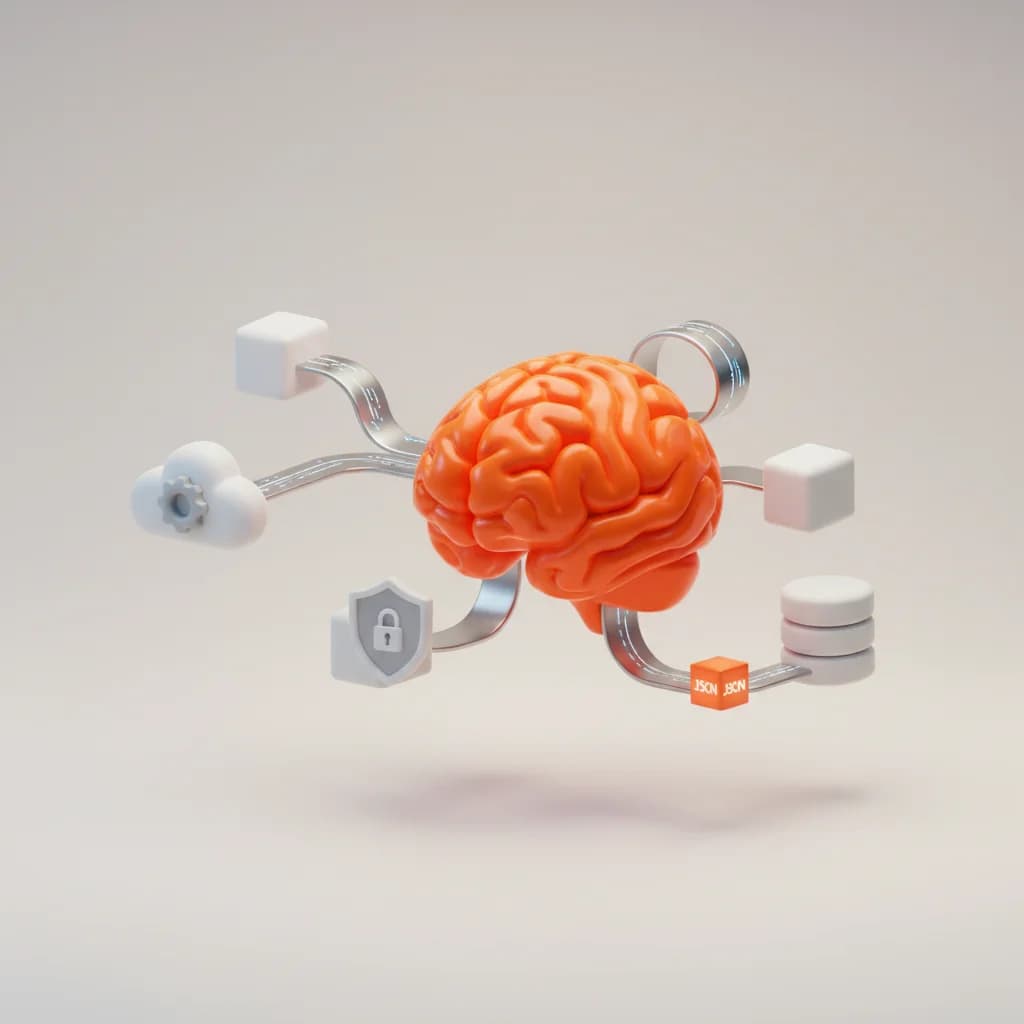
Function calling, büyük dil modellerinin (LLM) dış API ve araçlarla yapılandırılmış JSON formatında iletişim kurmasını sağlayarak yapay zekayı dinamik veri kaynaklarına bağlar.
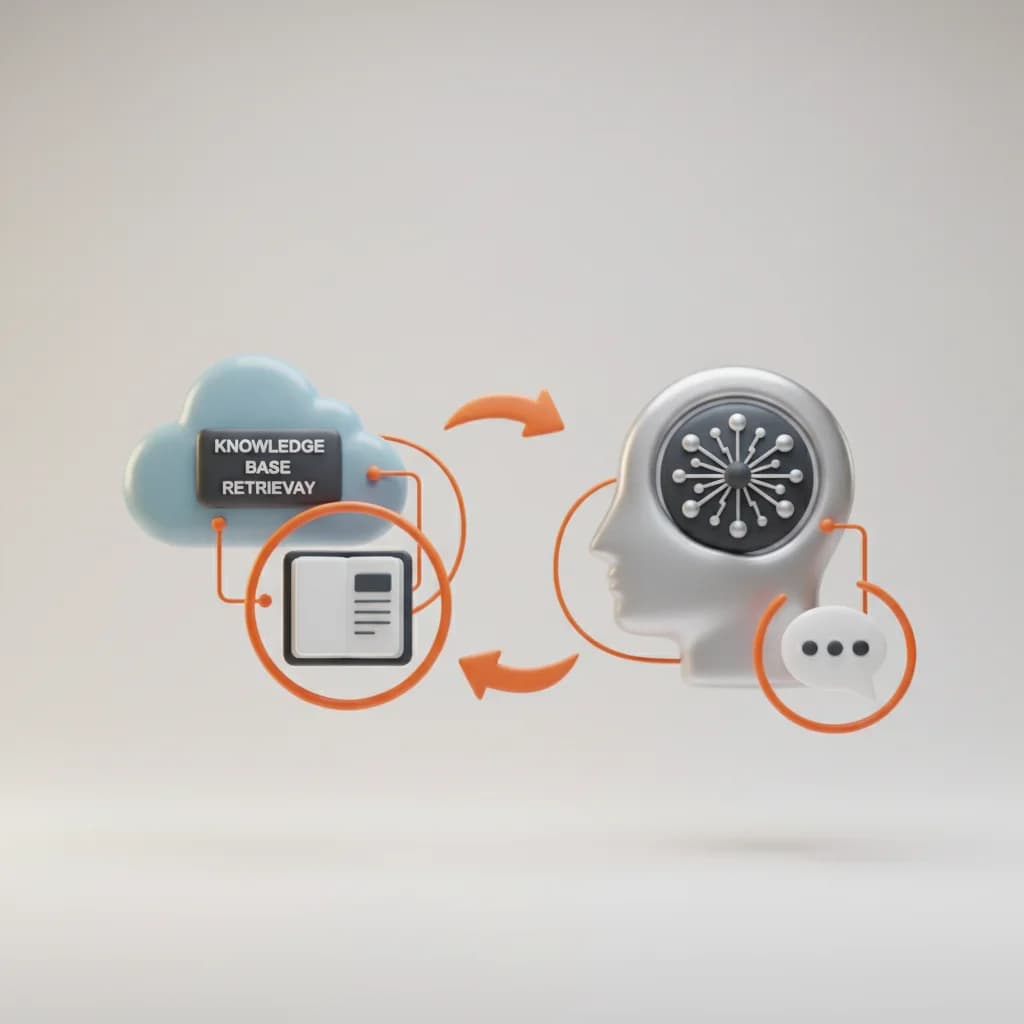
Google NotebookLM ve OpenAI ChatGPT; RAG (Retrieval-Augmented Generation) odaklı kişiselleştirilmiş not alma ile genel amaçlı LLM yetenekleri arasındaki temel farkları sunar.

Structured Output, büyük dil modellerinin (LLM) JSON gibi belirli ve şematik formatlarda çıktı vermesini sağlayan, sistem entegrasyonunu kolaylaştıran bir yöntemdir.

Büyük dil modellerinden (LLM) schema validation, prompt mühendisliği ve system instructions kullanarak hatasız ve geçerli JSON formatında veri çıktısı alma yöntemleri.
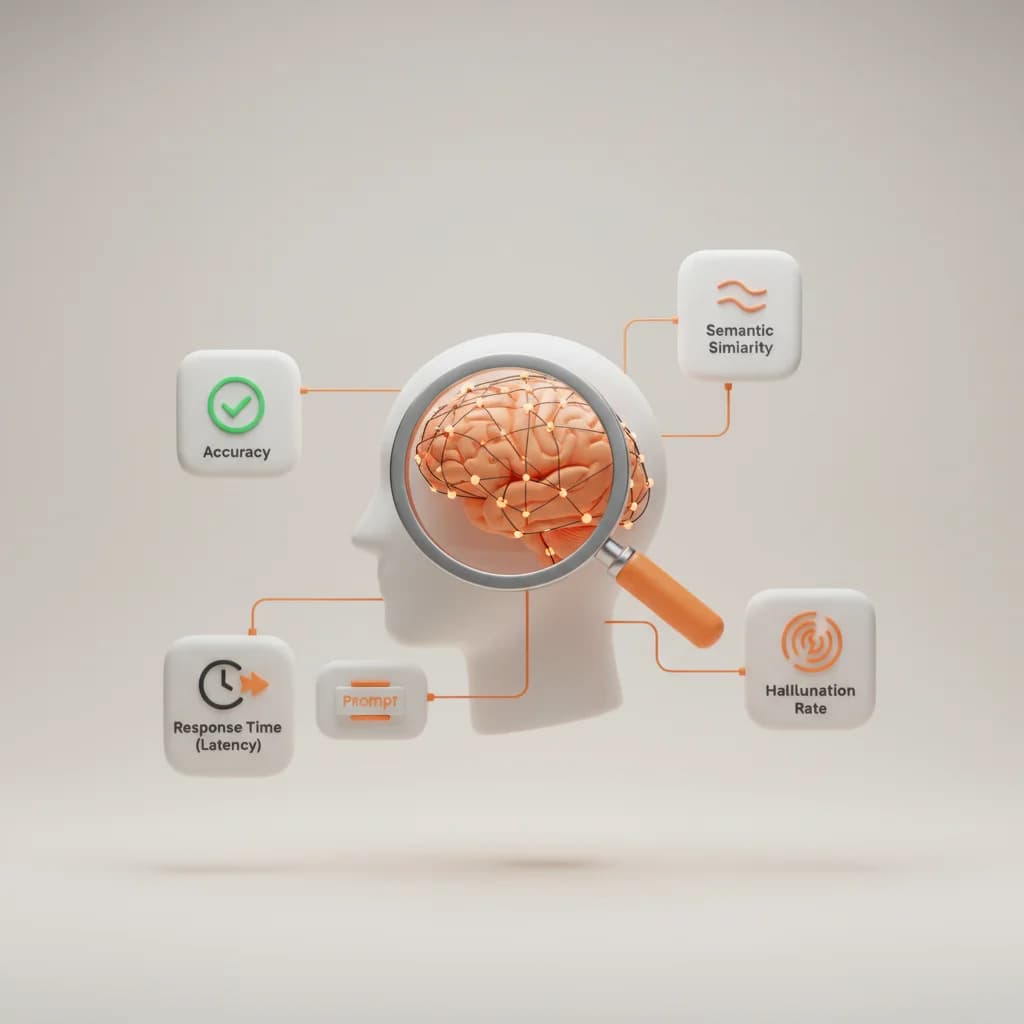
Büyük dil modellerinde (LLM) prompt değerlendirme metrikleri; doğruluk, semantik benzerlik, halüsinasyon oranı ve yanıt süresi (gecikme) gibi parametrelerle belirlenir.

Google'ın NotebookLM aracı, kullanıcı dökümanlarını temel alarak (RAG) çalışan bir yapay zeka asistanıdır. Not alma, kaynak analizi ve kişisel çalışma alanları oluşturmayı sağlar.
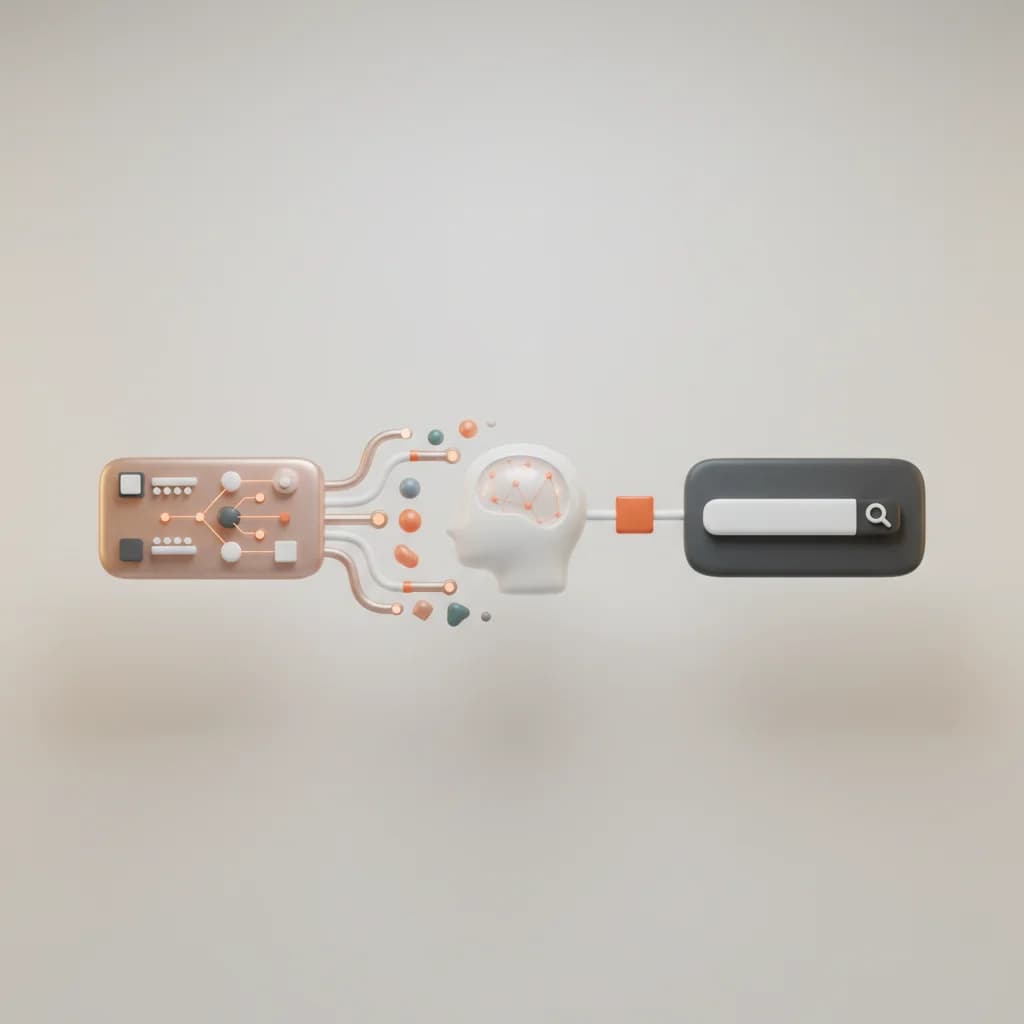
Context engineering, LLM'lere dinamik veri ve çevre bilgisi sağlama sürecidir. Prompt engineering ise modele verilen doğrudan girdilerin tasarlanmasına odaklanır.

Microsoft Copilot, Word belgenizde metin oluşturma, özetleme ve düzenleme süreçlerini yapay zeka entegrasyonuyla doğrudan hızlandıran bir üretken yapay zeka aracıdır.

Self-Consistency prompting, LLM yanıtlarının güvenilirliğini artırmak için birden fazla akıl yürütme yolu oluşturup en tutarlı cevabı seçen bir prompt mühendisliği yöntemidir.

Yapay zeka dil modellerinin karmaşık görevleri alt adımlara bölerek daha doğru sonuçlar üretmesini sağlayan prompt decomposition yöntemini ve uygulama adımlarını açıklar.

Google NotebookLM üzerinde PDF, Google Dokümanlar ve web bağlantıları gibi kaynakları ekleyip yöneterek kişiselleştirilmiş RAG tabanlı yapay zeka asistanınızı optimize edin.
Prompt chaining, karmaşık görevleri alt adımlara bölerek LLM çıktılarını optimize eden bir yöntemdir. Ardışık prompt tasarımlarıyla yapay zeka halüsinasyon riskini azaltır.

Gemini Canvas, Google'ın metin tabanlı üretken yapay zeka içeriklerini yan yana bir arayüzde düzenlemeyi ve geliştirmeyi sağlayan işbirlikçi çalışma alanıdır.

Negative prompt, üretken yapay zeka görsel modellerinde (Stable Diffusion, Midjourney) istenmeyen öğeleri filtrelemek, kaliteyi artırmak ve çıktıyı kontrol etmek için kullanılan komutlardır.

Gemini Deep Research, Google'ın karmaşık araştırma süreçlerini otomatikleştiren, çok adımlı akıl yürütme yeteneğine sahip yeni nesil yapay zeka tabanlı analiz aracıdır.
Microsoft 365 Copilot, Office uygulamalarıyla entegre, büyük dil modelleri ve Microsoft Graph verileriyle iş süreçlerini otomatikleştiren kurumsal bir yapay zeka asistanıdır.

Gemini Gems, Google'ın dil modellerini özelleştirerek belirli görevler için kişisel yapay zeka asistanları oluşturmanızı sağlayan, prompt odaklı çalışan bir yapay zeka özelliğidir.
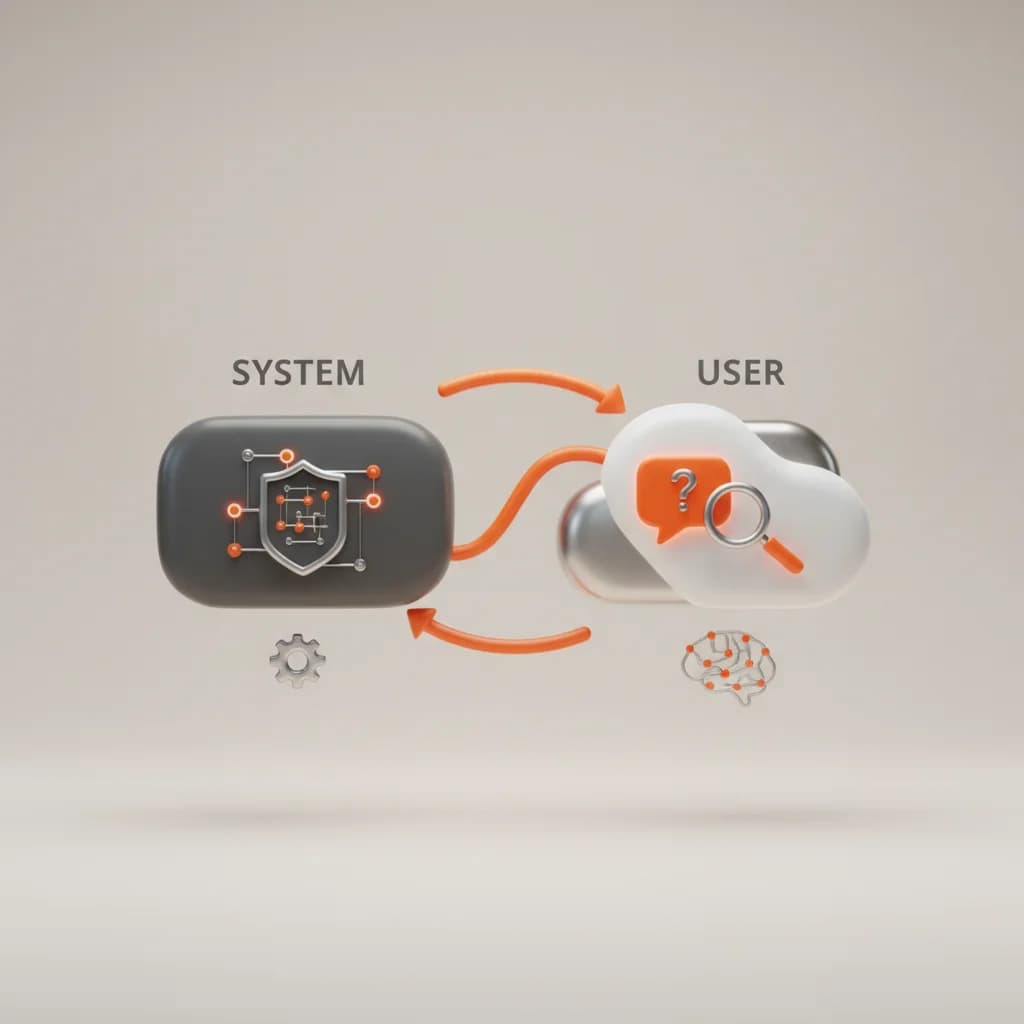
Yapay zeka modellerinde system prompt sistemin davranış sınırlarını ve rolünü belirlerken, user prompt kullanıcının modele ilettiği anlık komut ve soruları ifade eder.

Zero-shot prompting, büyük dil modellerinin önceden örnek veri almadan, doğrudan verilen talimatlarla doğru ve bağlamsal çıktılar üretmesini sağlayan prompt mühendisliği yöntemidir.
Büyük dil modellerinde prompt değişkenleri, dinamik şablonlar oluşturarak yapay zeka çıktılarının tutarlılığını ve doğruluğunu artıran kritik parametrelerdir.
Son Adım
Web, yazılım, e-ticaret, mobil uygulama, entegrasyon, SEO veya GEO ihtiyacınızı net bir kapsama dönüştürelim.